Referrals



Page last reviewed: 13 February 2026
Page created: 29 July 2022
Page created: 29 July 2022
We've put some small files called cookies on your device to make our site work.
We would also like to use google translate cookies and analytical cookies to understand how our site is used and improve user experience. Analytical cookies send information to Google Analytics.
Let us know your preference. We will use a cookie to save your choice. Before you make your choice you can read more about our cookie policy.
You can change your cookie settings at any time using our cookie policy.
The NHS has been working hard to address the backlogs built up during the COVID pandemic. As part of these plans, the NHS will be proactively contacting patients who have been waiting a long time for NHS funded treatment to remind them of their right to request to move to an alternative hospital where they may be seen quicker.
From Tuesday 31st October 2023 new digital portal called the Patient Initiated Digital Mutual Aid System (PIDMAS) will be introduced. Patients who have been waiting 40 weeks or more can use this portal to request an alternative choice of hospital.
Any patient who is eligible will receive either a SMS text message or a letter from their current hospital explaining how to request to choose a different hospital.
Please do not contact the practice regarding this process as we have no information regarding individual patients.
The hospital will contact you if you are eligible. Please do not contact them either.
Further information about alternative choice is available on hospital websites.
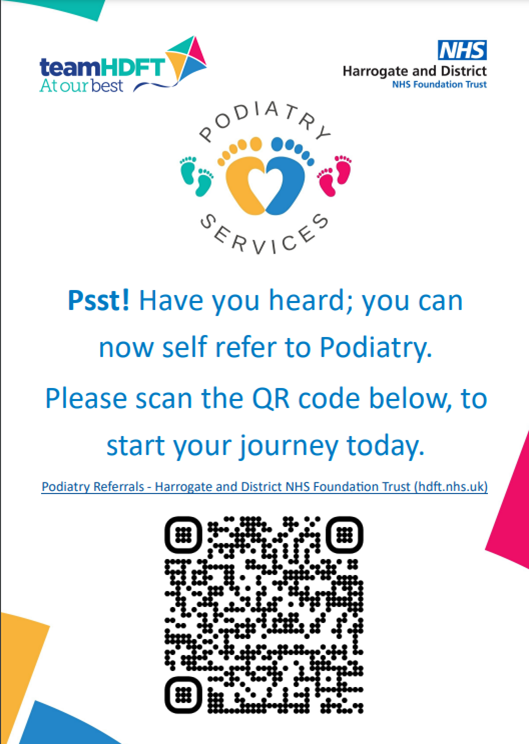
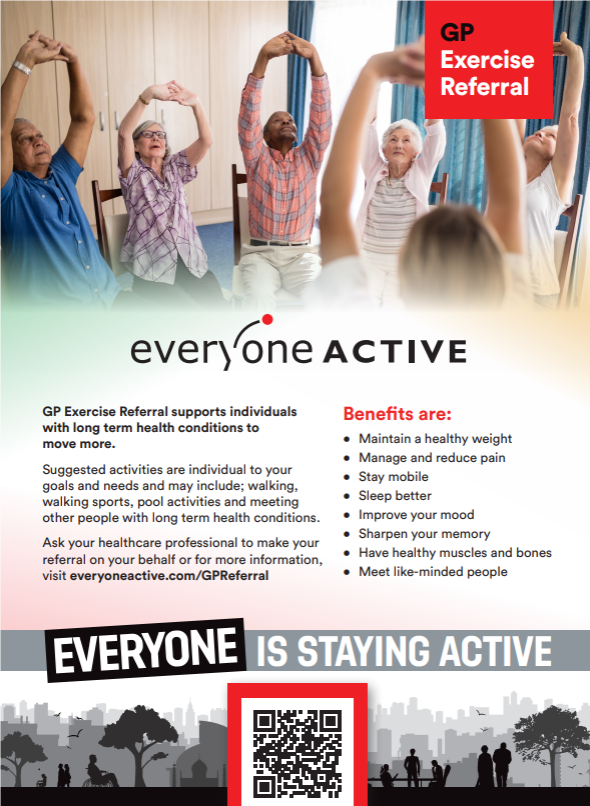
Most referrals to other specialists will require you seeing or speaking with a GP, however, there are a number of services locally, listed below that you are able to make self-referrals to.
TALKING THERAPIES
Talking therapies can help you with feelings of stress, low mood and worry. Your local IAPT team offers talking therapies. They are there to help you lift your mood. We encourage anyone who is finding life’s daily demands difficult to reach out. When you get in touch, there may be a waiting list. The IAPT team will let you know if this is the case and what to expect. You can find out more and refer yourself on the IAPT Website or speak to your GP or First Contact Mental Health Worker at the surgery, when you feel ready.

If you would like to discuss a referral for ADHD or autism spectrum disorder, please contact us using the Contact Us Online button on the Homepage to book an appointment with a GP. If the GP considers a referral to be appropriate, the GP will send a referral to the local NHS service. Alternatively, you can be referred via the Right to Choose Pathway.
Whist these services are offered via the NHS and are free for patients, Right to Choose services are often private companies who are contracted to deliver services to the NHS. When choosing a Right to Choose service, it is important to consider the following points, relating to what you should expect from this process and your preferred service:
Your GP cannot choose for you. You need to research the options and make the choice yourself, then contact your GP to inform them of your chosen provider and they will advise you on how to proceed. This list of providers is constantly changing, and the services’ websites are usually a good place to find out if they offer the service you need. Several services are available by searching on ‘Right to choose ASD’, ‘Right to choose ADHD’ and on sites such as ADHD UK.
The number of Right to Choose services is ever growing and each service may have its own referral process. Most providers need a core set of information, so may ask you to complete a referral questionnaire or a self-assessment score as part of a standardised referral. If the service needs additional information, they can request it from the practice or by asking you directly.
For more information and support services available, please visit:
What is a Shared Care Agreement (SCA)?
A Shared Care Agreement is an NHS arrangement where a specialist asks a GP practice to take over prescribing a medication they have initiated. This is a request, not a requirement. Millfield Surgery will only accept shared care when it is clinically safe and appropriate. The prescriber issuing the medication is responsible for ensuring it is safe, appropriate, and monitored correctly. This requires adequate knowledge, training, and capacity.
What are specialist medications?
Some medications started by specialist NHS teams do not have a Shared Care Agreement. These drugs may be complex to dose, used off-licence, or require regular specialist monitoring such as blood tests or physical checks.
Our Policy
Millfield Surgery does not take on specialist prescribing outside of a formal NHS Shared Care Agreement with appropriate specialist support and funding.
We have updated our position on specialist medications initiated by:
• Private clinics
• Right to Choose providers
• NHS services without a prescribing or monitoring team
This aligns with local practices and LMC guidance. Patient safety is our priority. Prescribing specialist medications without robust specialist oversight carries significant risk. Monitoring these medications requires time, expertise, and careful review of results. General Practice has limited resources, and allocating large amounts of clinician time to specialist prescribing may reduce the number of GP appointments available to all patients.
For futher information on our Shared Care Shared Care Agreements & Specialist Medication Policy, please see Practice Policies